1. student presentation on Embodied metaphor prototypes
2. More on annotated portfolios (week 12)
3. Strong concepts (week 12)
2018年5月21日 星期一

2018年5月14日 星期一
week 12. annotated portfolios
1. Bill Gaver, Annotated Portfolios
Final Project warm up:
1. team up (2-3 members in each team)
2. each member collect at least 3 works (toys with rich movements), and annotate the movements, and other qualities first
3. group discuss on the annotations and modify them
4. output as a set of creative cards
5. propose final project based on annotated portfolios
Deadline 2018/5/29
movement study example:

2018年5月7日 星期一
week 11. embodied metaphor
student presentation on metaphor
Embodied metaphors in tangible interaction design
5/22 group presentation on embodied metaphors
3 lo-fi movement prototypes implementing embodied schema.
2018年4月30日 星期一
week 10. metaphor
MusicBottles by Tangible Media Group
I/O Brush by Tangible Media Group
Tech Tap by PEGA design
Just Draw It by PEGA Design
A taxonomy for and analysis of tangible interfaces
我們賴以生存的譬喻 (Metaphors we live by)
EX4:
Collect at least 3 tangible interaction designs and analyze their metaphors.
Create your own "metaphor expression" and then sketch one tangible design.
Deadline 2018/5/8
2018年3月26日 星期一
week 5. form review
1. form review (EX3)
2. feature interaction designer: Dan Saffer
Shake to change:
Reference:
Designing Gestural Interfaces by Dan Saffer
2. feature interaction designer: Dan Saffer
Shake to change:
Kyary Pamyu Pamyu ♪ Ninjya Re Bang Bang ☆ au CM Making!
Reference:
Designing Gestural Interfaces by Dan Saffer
2018年3月19日 星期一
week 4. form practice and gestural interaction
Digital Photo Printer re-design from Jasper Dekker on Vimeo.
SWYP: See What You Print from Artefact on Vimeo.
https://www.artefactgroup.com/work/swyp/
http://www.ludwigrensch.com/paper-a-printer-you-actually-want
Re-designing printers:
Berg Little Printer
Paperang Portable thermal printer
Reflexive printer from Benforest on Vimeo.
Dispensing with words
Foam Core


2018年3月11日 星期日
week 3. form making
1.

(original paper in IJDesign by Rung-Tai Lin)
2.

3.

persuasive design
4. A hierarchy of consumer needs by P. Jordan:

(image from http://www.sciencedirect.com/science/article/pii/S1369702103012239)
5. Timo Arnall: A form vocabulary for RFID

(retrieved from nearfield.org)
(nearfield.org)
6.

"Forms in various materials invite touch and manipulation"
Retrieved from interactions
7.

siteless book sample page
8.

Retrieved from "Move to get moved"
9.

Problems:
1. How to design simple forms for rich interaction? (including movement-centric, social interaction, self-expression, etc.)
2. What's the relationship between movement and form? Can we think "movement" without form?
3. What kind of form is suitable for movement?

4. Echoing "tangible interaction = form + computing" by Mark Baskinger and Mark Gross, if "tangibility = movement + form", how can Tangibility be explored?
5. Affordance: restriction or hint?
Practice:
regarding "functionality" of a music player, pick up 8 representative forms on the above siteless sample page for 8 Effort qualities of LMA. Draw 8 sketches based on the above forms and corresponding movements.

Retrieved from "Move to get moved"


Retrieved from "interactions"
EX3: (2018/3/27)
make a physical model of a music player
(reference: http://ciid.dk/education/portfolio/idp12/courses/tangible-user-interface/projects/)
show the picture of this model on an A2 poster, and analyze according to LMA and gesture patterns (proximity to activate/deactivate, point to activate, rotate to change state, shake to change state...)
Reference: Chapter 4 in Designing Gestural Interfaces
(reference: http://www.trendhunter.com/slideshow/ipod-alternatives)
https://www.slideshare.net/jazzliang/tangible-interaction-2011-spring
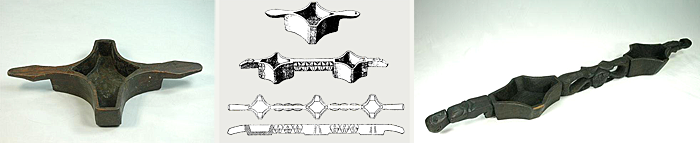
(original paper in IJDesign by Rung-Tai Lin)
2.
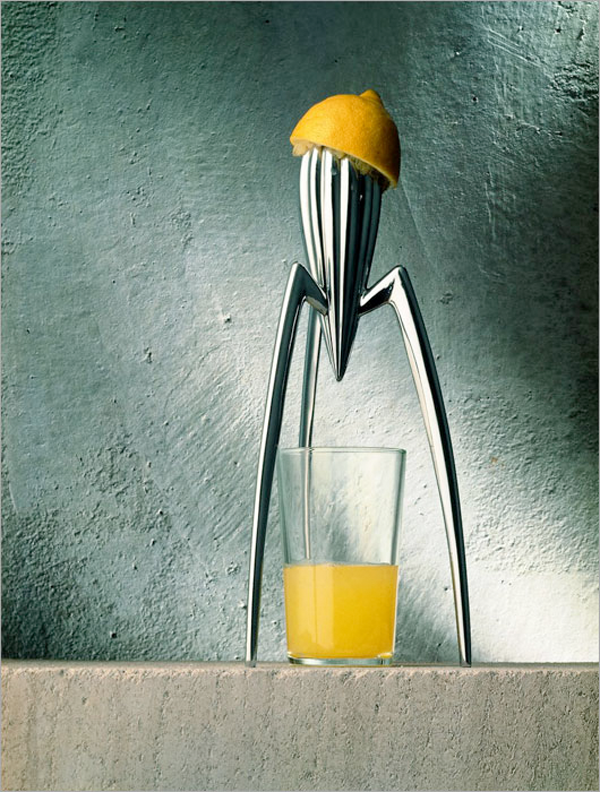
3.

persuasive design
4. A hierarchy of consumer needs by P. Jordan:

(image from http://www.sciencedirect.com/science/article/pii/S1369702103012239)
5. Timo Arnall: A form vocabulary for RFID

(retrieved from nearfield.org)
(nearfield.org)
6.

"Forms in various materials invite touch and manipulation"
Retrieved from interactions
7.

siteless book sample page
8.

Retrieved from "Move to get moved"
9.

Problems:
1. How to design simple forms for rich interaction? (including movement-centric, social interaction, self-expression, etc.)
2. What's the relationship between movement and form? Can we think "movement" without form?
3. What kind of form is suitable for movement?

4. Echoing "tangible interaction = form + computing" by Mark Baskinger and Mark Gross, if "tangibility = movement + form", how can Tangibility be explored?
5. Affordance: restriction or hint?
Practice:
regarding "functionality" of a music player, pick up 8 representative forms on the above siteless sample page for 8 Effort qualities of LMA. Draw 8 sketches based on the above forms and corresponding movements.

Retrieved from "Move to get moved"

"Re-routed Radio" projects by industrial design students (a) Nadeem Haidary, (b) Josh Finkle, and (c) Gavin Stewart. These music players were designed to establish new forms of interaction using standard electronics combined with non-traditional materials and expressive physical forms.

Retrieved from "interactions"
EX3: (2018/3/27)
make a physical model of a music player
(reference: http://ciid.dk/education/portfolio/idp12/courses/tangible-user-interface/projects/)
show the picture of this model on an A2 poster, and analyze according to LMA and gesture patterns (proximity to activate/deactivate, point to activate, rotate to change state, shake to change state...)
Reference: Chapter 4 in Designing Gestural Interfaces
(reference: http://www.trendhunter.com/slideshow/ipod-alternatives)
https://www.slideshare.net/jazzliang/tangible-interaction-2011-spring
訂閱:
文章 (Atom)